

Strengthening Mediation Capacity in Armenia: Advanced Training and Environmental Dialogue
The Singapore International Mediation Centre (SIMC) recently returned to Yerevan, Armenia, to support the development of mediation expertise and advance the use of mediation to resolve complex disputes, including those involving environmental challenges.
We are delighted to continue our partnership with the Asian Development Bank (ADB), the Arbitration and Mediation Center of Armenia (AMCA), and the Center for Legislation Development Foundation to contribute to this important mediation capacity-building work in Armenia.
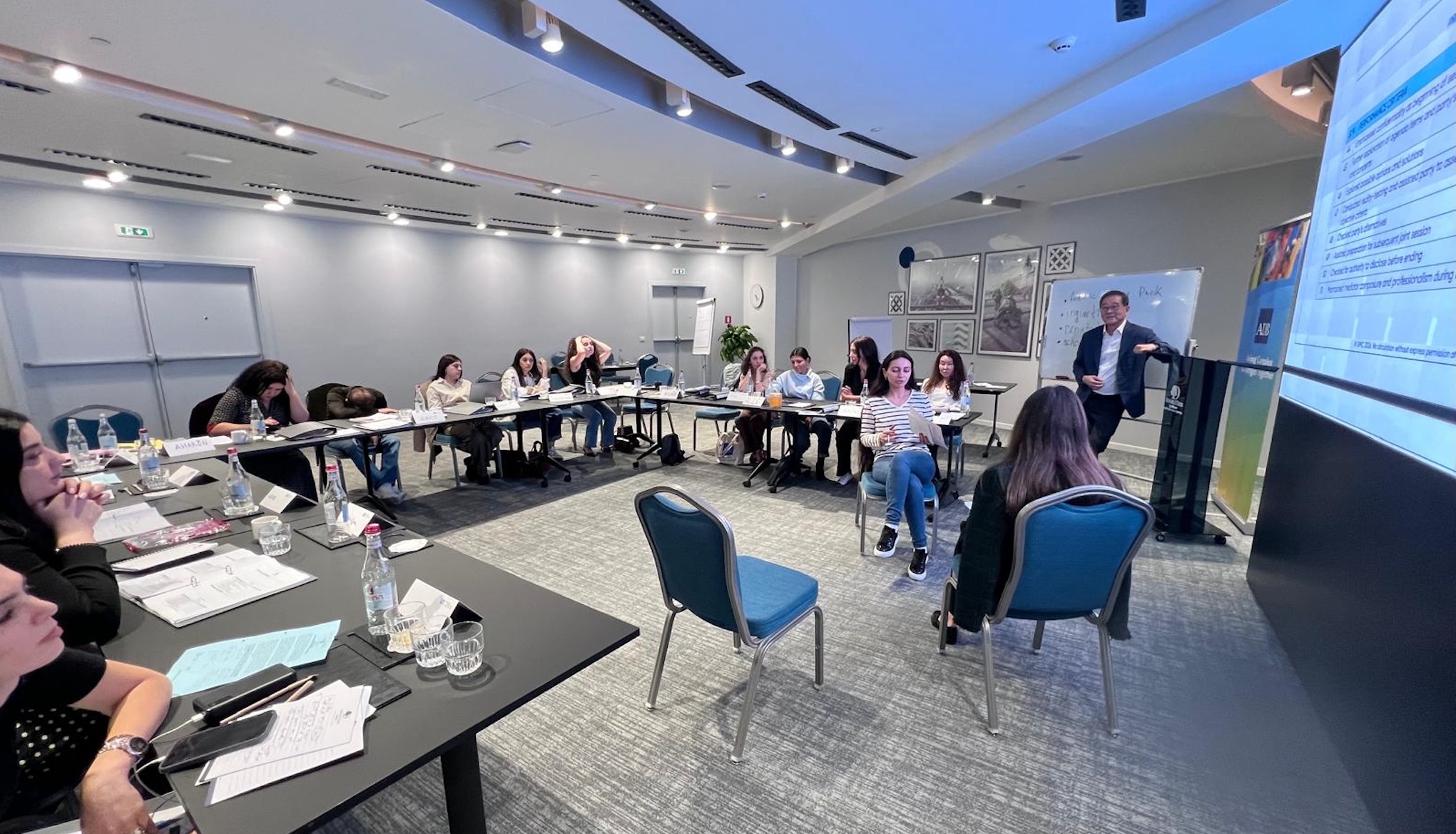
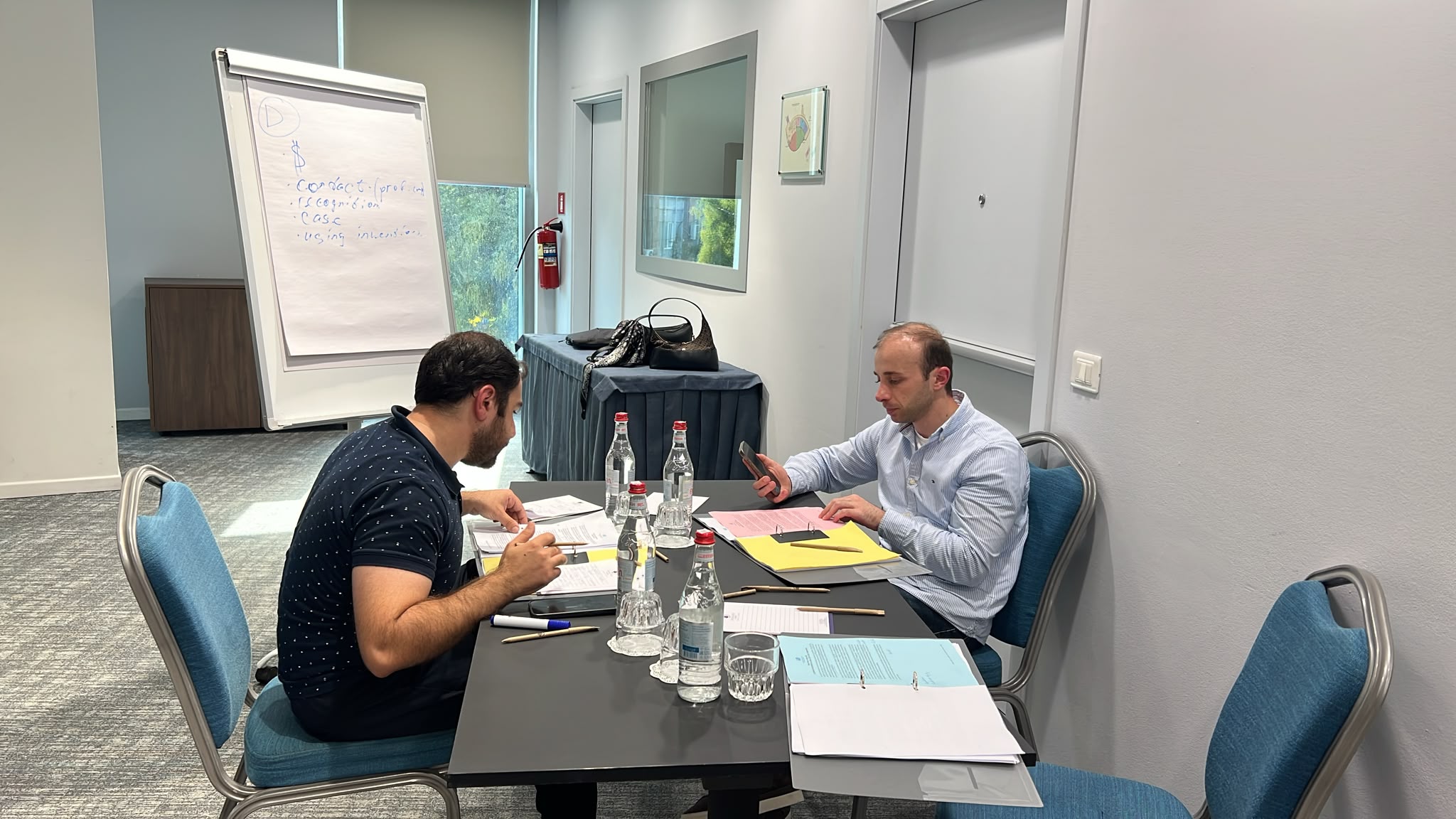
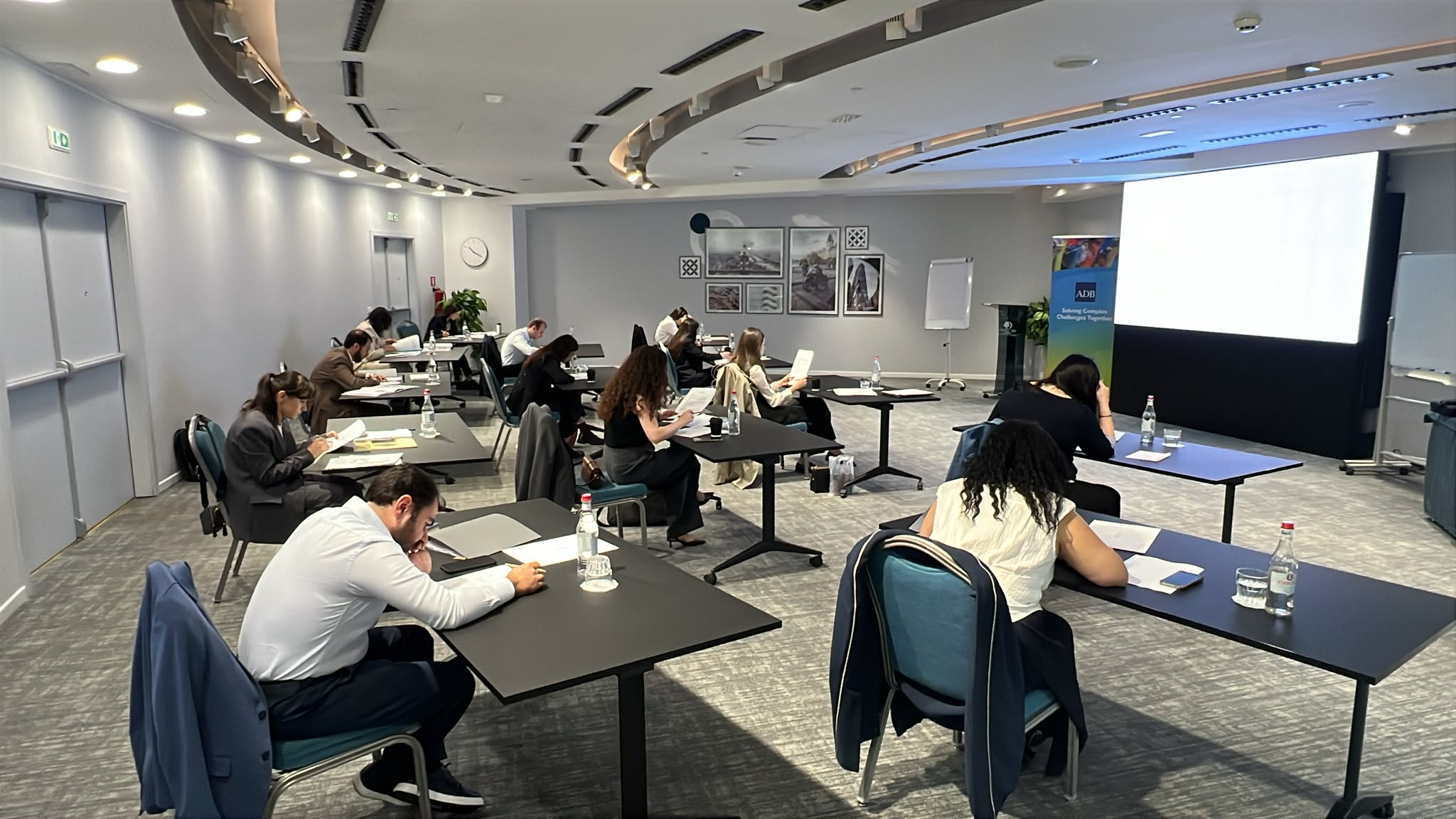
(Left) George conducting a demonstration using the “fishbowl” approach, where the demonstration group is positioned in front of the other participants to facilitate first-hand observation and learning. (Middle) Participants breaking into smaller groups to practice their newly acquired skills through role-play exercises. (Right) Participants undertaking the open-book written assessment.
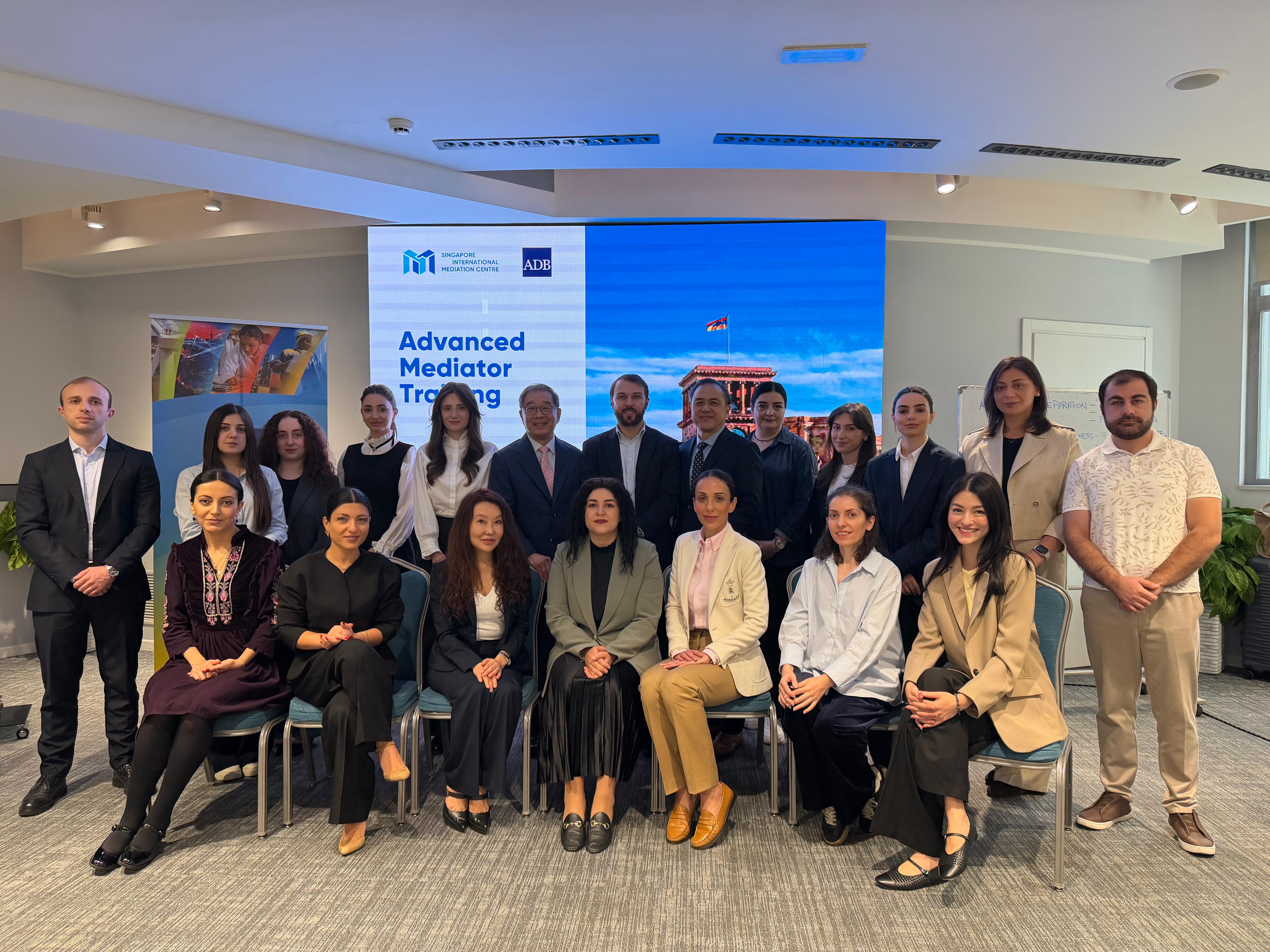
Advanced Mediator Training participants taking a group photo with the trainers, (top) George Lim SC, Chairman at SIMC, Chuan Wee Meng, CEO at SIMC and (bottom) Yap Pei Yin, Counsel at SIMC, at the end of the two-day programme.
Advanced Mediator Training and Assessment
From 17 to 19 October, SIMC conducted a three-day Advanced Mediator Training in Yerevan, following an earlier two-day Mediation Skills Training Programme completed in June. Delivered in partnership with ADB, AMCA and the Center for Legislation Development Foundation, the programme focused on advanced mediation skills and international best practices for cross-border commercial disputes.
The training was led by SIMC Chairman George Lim SC, CEO Chuan Wee Meng and Counsel Yap Pei Yin.
Participants then took the SIMC Mediation Skills Assessment, comprising a written examination, a practical role-play assessment and a self-reflection journal. The rigorous assessment allows participants to have their mediation skills evaluated by independent, external assessors against recognised international standards, marking a further step towards their recognition as accredited mediators.
This initiative supports the continued development of mediation expertise in Armenia and contributes to a stronger dispute resolution ecosystem for cross-border commercial disputes in the region.
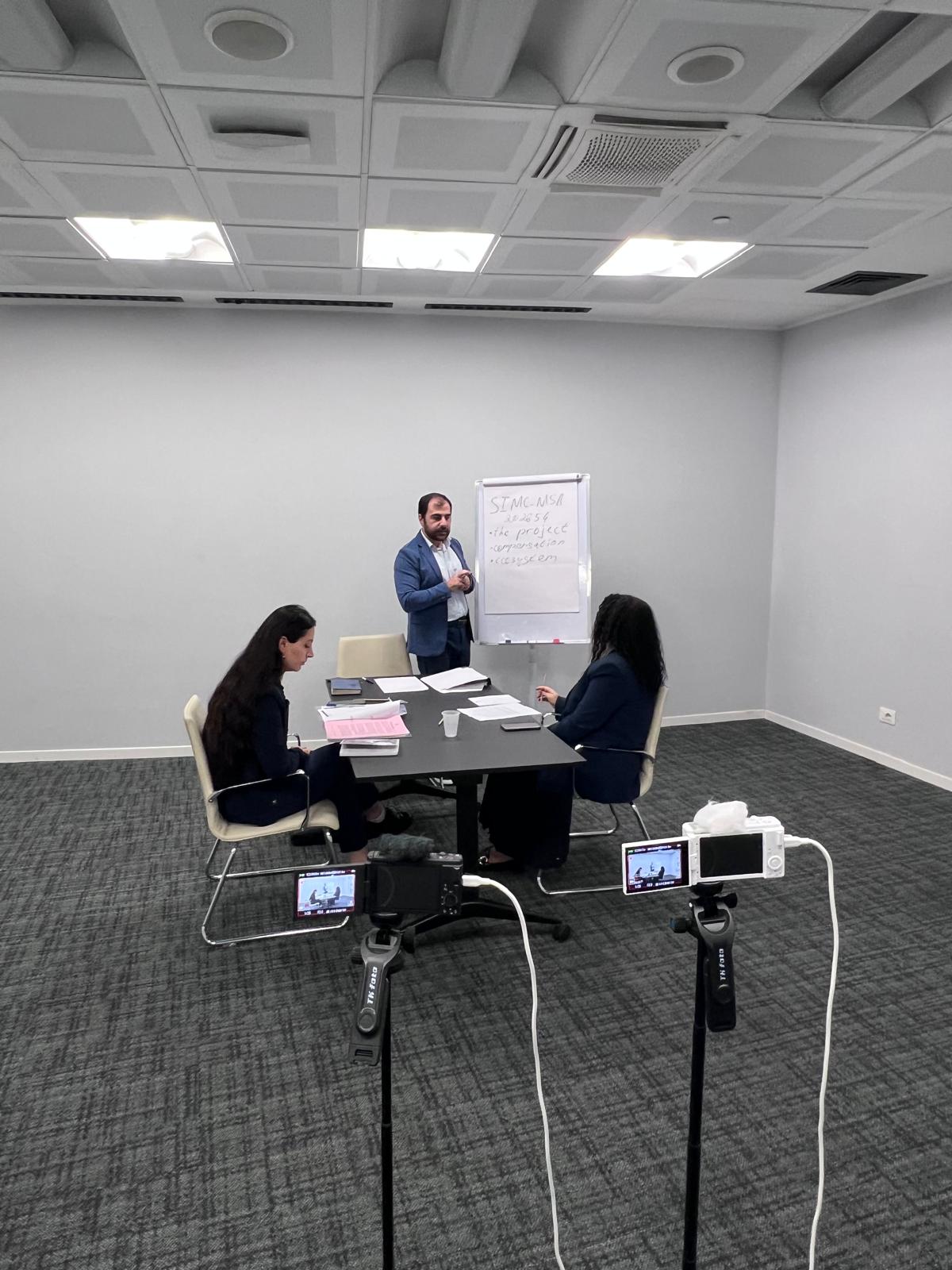
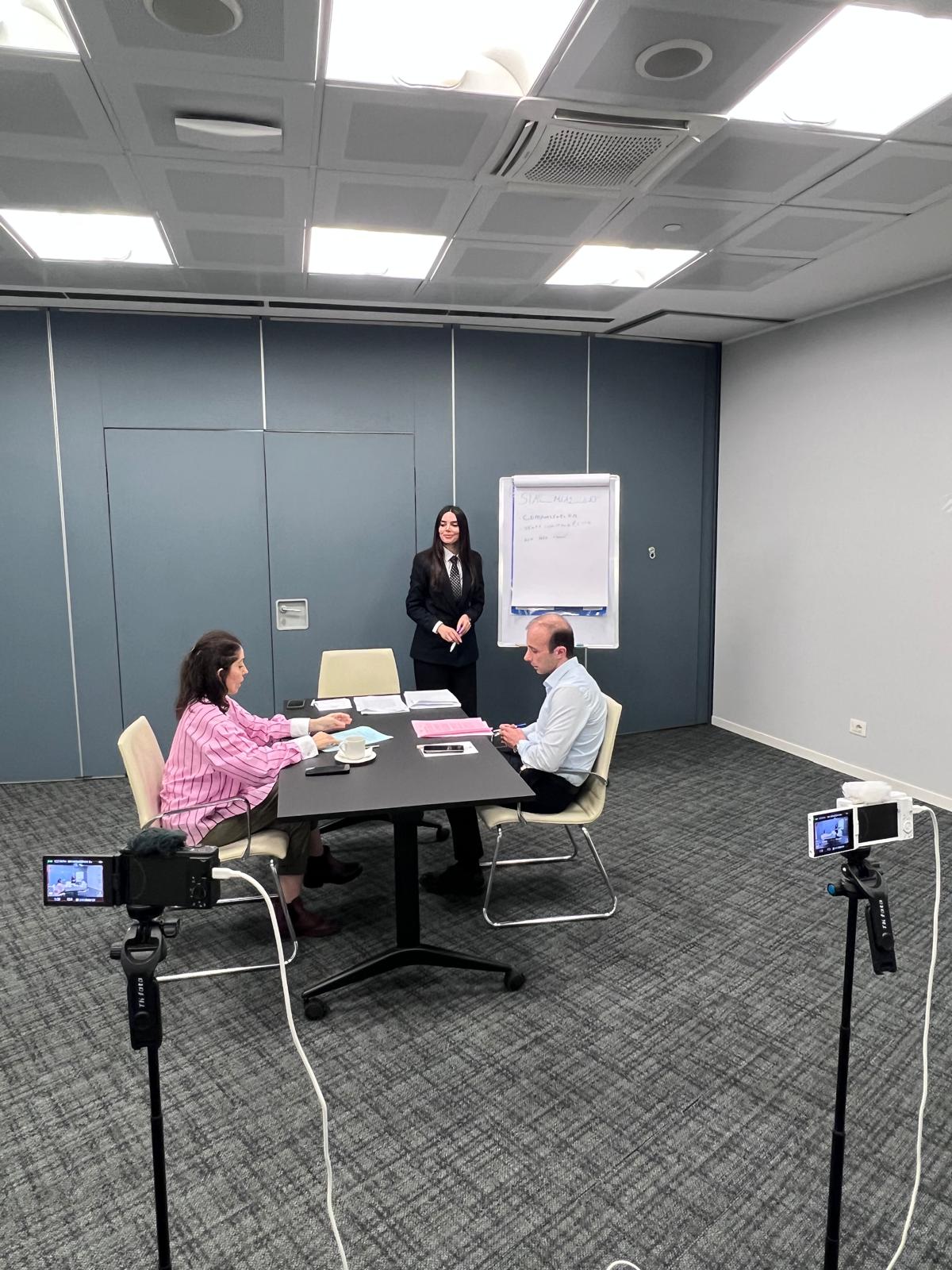
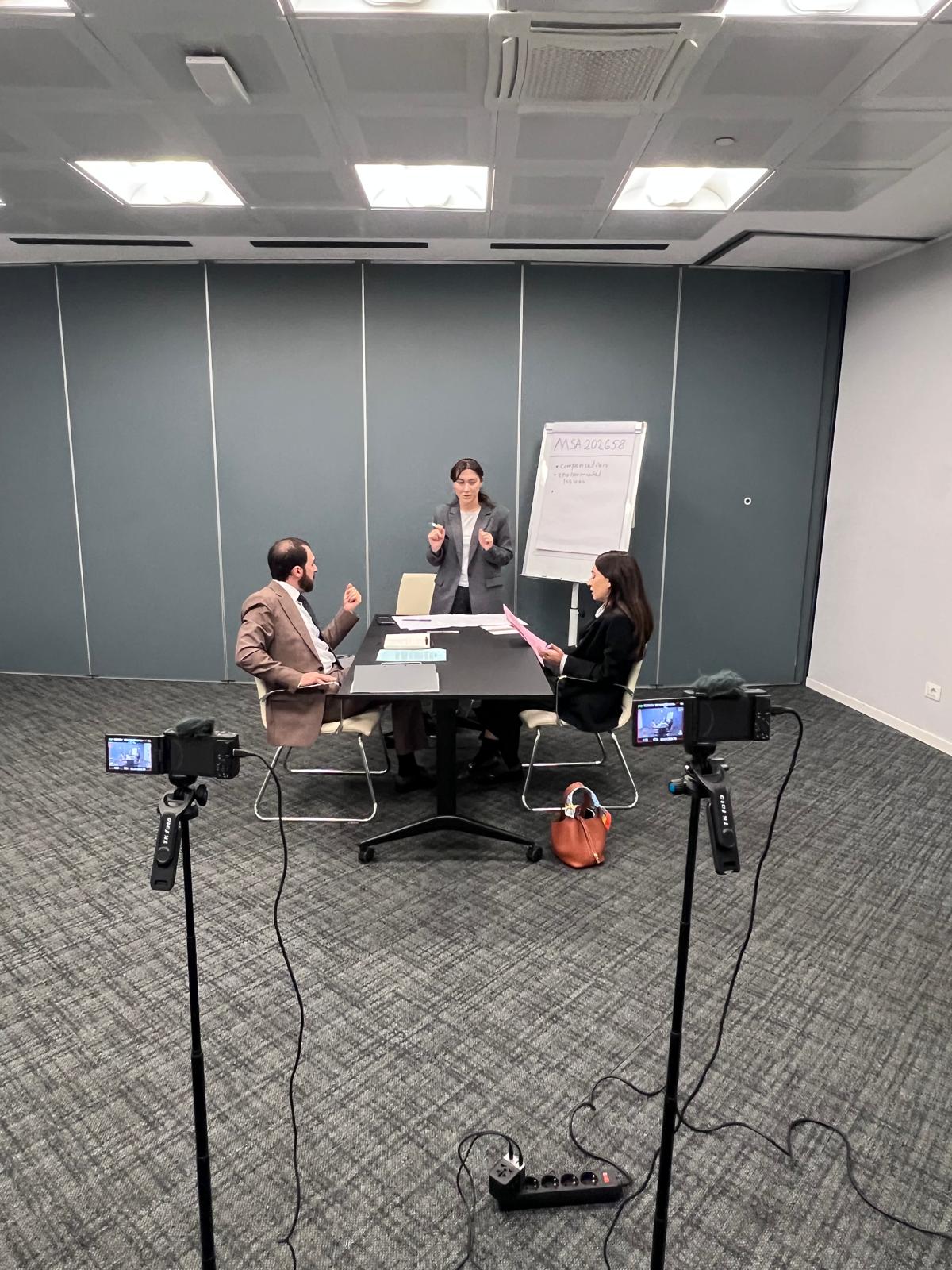
Participants' assessment sessions are recorded for subsequent evaluation.
Making Peace with Nature: Environmental Disputes – From Prevention to Resolution
On 22 October, SIMC contributed to Making Peace with Nature: Environmental Disputes – From Prevention to Resolution, an event co-organised by ADB, AMCA and the Center for Legislation Development Foundation. Held in Yerevan alongside the 17th Conference of the Parties (COP17) to the UN Convention on Biological Diversity (CBD), the event brought together experts and practitioners to discuss practical approaches to preventing, managing and resolving environmental disputes, with particular attention to sustainable natural resource management and balancing competing stakeholder interests.
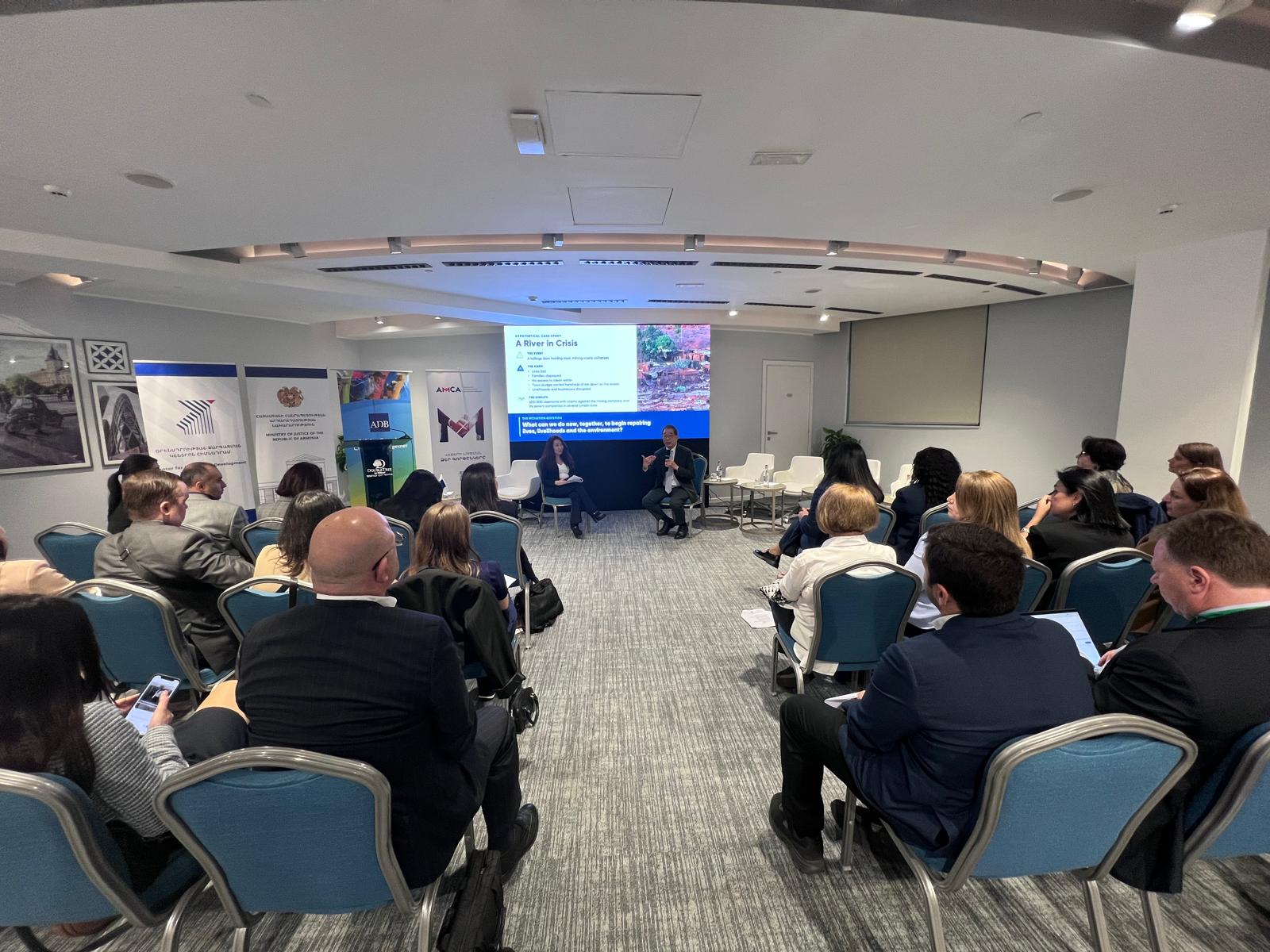
SIMC Chairman George Lim SC joined a fireside chat moderated by Christina Pak, Assistant General Counsel (Law and Policy Reform) at ADB. The discussion explored how mediation can help affected communities, businesses, government agencies and other stakeholders address urgent needs while working towards longer-term solutions. An interactive case study of a large-scale environmental dispute, presented by SIMC Counsel Pei Yin Yap, provided a practical context for the discussion.
SIMC CEO Chuan Wee Meng also shared insights during a panel discussion titled Mediated Solutions to Environmental Conflicts – Lessons on Mediation in Environmental Disputes. Moderated by Lilit Petrosyan, Secretary General and Director of AMCA, the panel also featured fellow panellists Natalya Adamyan, Legal Expert at Law Development and Protection Foundation, Tenzin Leewan, Secretary General at Bhutan ADR Centre and Bryce Williams, Legal Counsel at Permanent Court of Arbitration. Panellists explored how mediation can be integrated into the resolution of natural resource and environmental conflicts, and how to maximise its chances of success.
Environmental challenges give rise to complex disputes that call for dialogue, understanding and collaborative approaches to resolution. Mediation can provide a constructive avenue for stakeholders to address competing interests, explore common ground and work towards mutually acceptable outcomes.
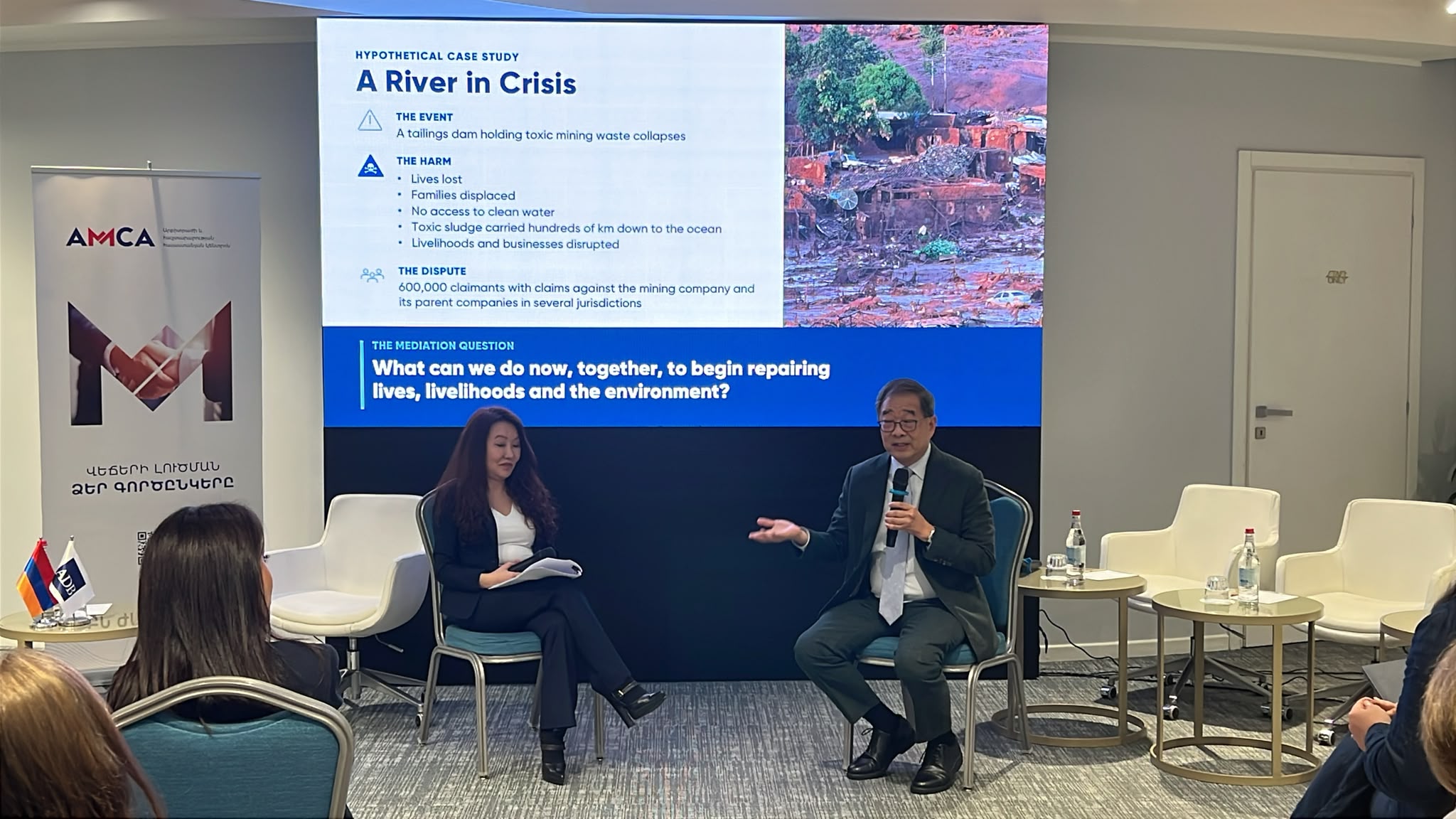
(Left to right) Christina Pak, Assistant General Counsel (Law and Policy Reform) at ADB and George Lim SC, Chairman at SIMC during the fireside chat session.
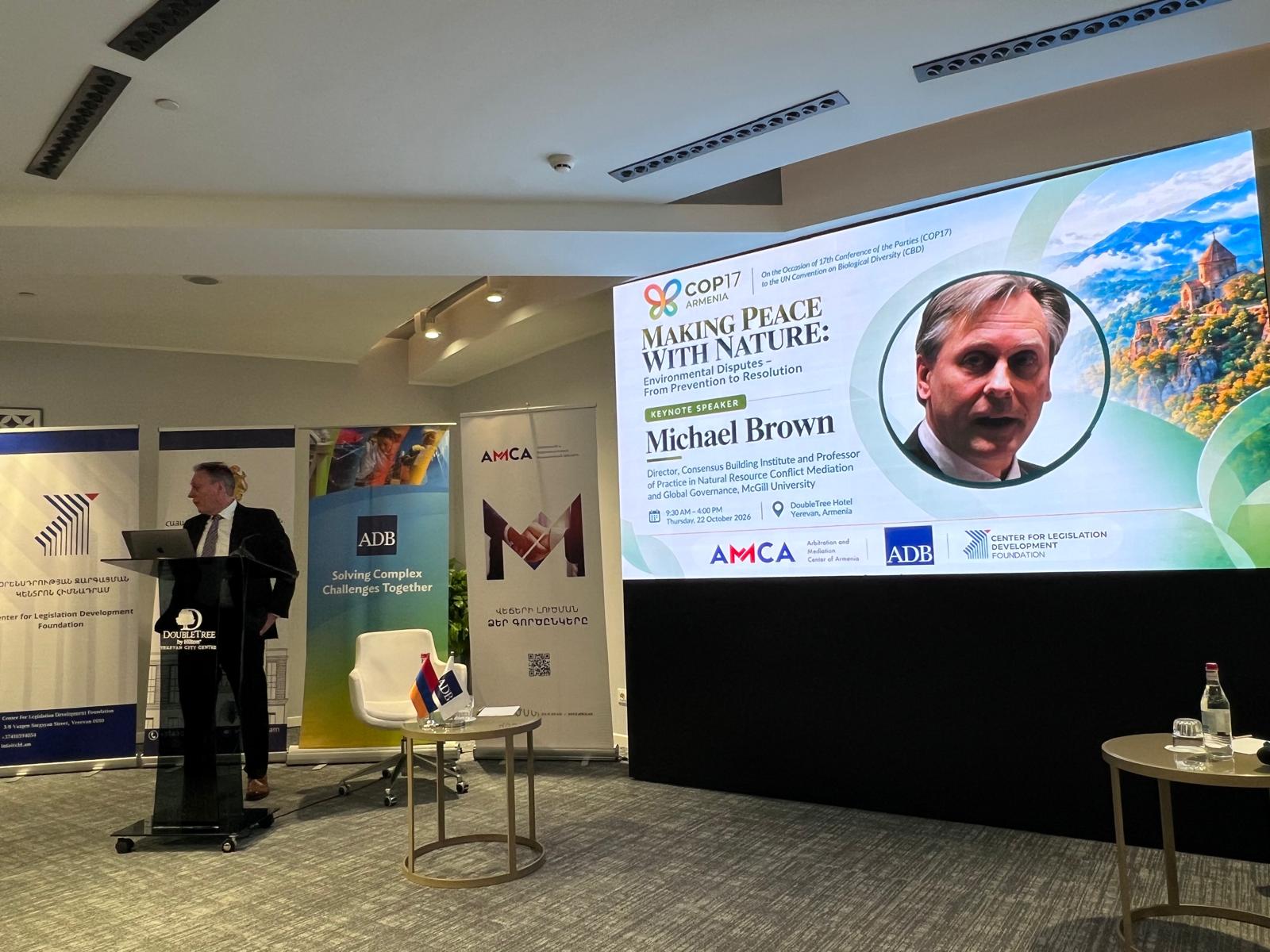
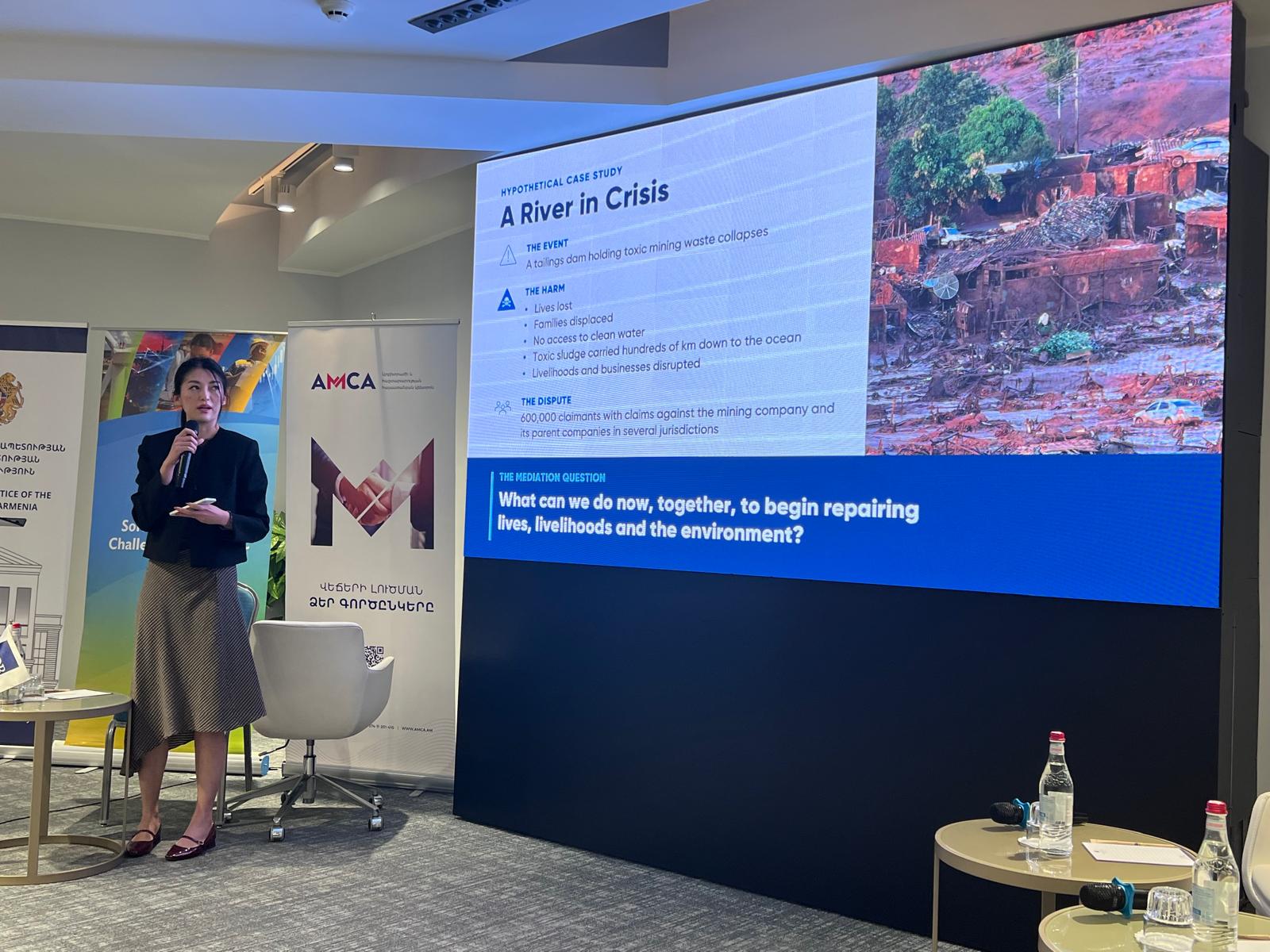
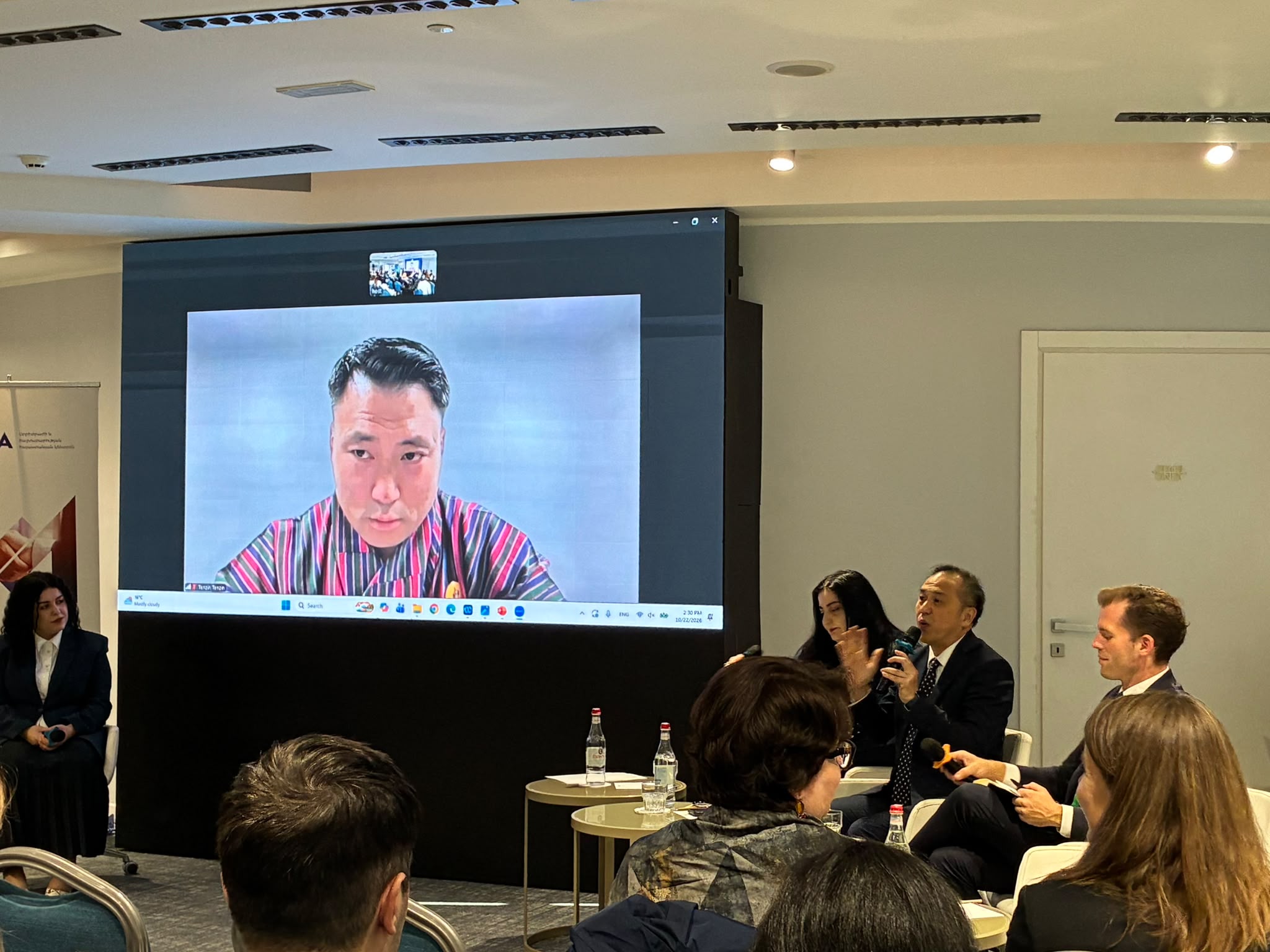
(Left to right) Keynote speaker, Michael Brown, Director at Consensus Building Institute and Professor of Practice in Natural Resource Conflict Mediation and Global Governance at McGill University. Yap Pei Yin, Counsel at SIMC presenting a case study to the attendees. Panel 2 "Mediated Solutions to Environmental Conflicts: Lessons on Mediation in Environmental Disputes" panellist, Lilit Petrosyan, Secretary General and Director at Arbitration and Mediation Center of Armenia (Moderator), Judge Tenzin Leewan, Secretary General at Bhutan ADR Centre who joined virtually, Natalya Adamyan, Lawyer, AMCA Mediator, Certified Mediator Trainer, Chuan Wee Meng, CEO at SIMC and Bryce Williams, Legal Counsel at Permanent Court of Arbitration.
Continuing to Advance Mediation in Armenia
SIMC’s activities in Armenia reflect our commitment to supporting the development of mediation expertise and promoting mediation as an effective approach to resolving complex disputes, through capacity-building initiatives and knowledge-sharing with international partners.
SIMC is grateful to ADB, AMCA, and the Center for Legislation Development Foundation for their invaluable partnership and shared dedication to advancing mediation and amicable dispute resolution. SIMC looks forward to building on this collaboration as mediation plays a growing role in addressing cross-border commercial and environmental disputes.